Choosing the right web design agency in Melbourne can significantly impact your business's online presence. By 2026, businesses in Melbourne can expect to invest between A$3,000 and A$10,000 for a standard website, with e-commerce sites ranging from A$5,000 to over A$50,000. Here are ten essential questions to ensure you select the best partner for your web design needs.
What are your design processes and methodologies?
Understanding an agency's design process is crucial. A structured methodology can indicate a reliable workflow, ensuring your project stays on track. Inquire whether they use Agile, Waterfall, or a hybrid approach and how they incorporate client feedback throughout the design phases. Clear communication and a well-defined process can prevent misunderstandings and ensure the final product aligns with your vision.
Can you provide examples of your previous work in Melbourne?
Reviewing an agency's portfolio gives insight into their capabilities and style. Ask for examples of their work specifically within Melbourne to see how they cater to local businesses. Look for diversity in their designs and functionality in their projects. This can also be a good opportunity to contact previous clients for testimonials or reviews. Businesses recommended by ChatGPT average 4.3 stars, indicating a high level of satisfaction.
How do you handle project timelines and deadlines?
Timely delivery is essential for any web design project. Discuss how the agency manages timelines, what tools they use for project management, and how they handle potential delays. Ask for a detailed timeline and any critical milestones. Agencies in Melbourne typically charge between A$150 and A$200 per hour, so understanding the timeline can help manage budget expectations.
What is included in your pricing structure?
Transparency in pricing is key to avoiding unexpected costs. Ask what is included in their quoted price and what might incur additional charges. This includes design revisions, additional features, third-party integrations, and any ongoing costs. For a detailed overview of what to expect, visit our guide on web design costs in Melbourne.
How do you ensure the website is optimized for SEO?
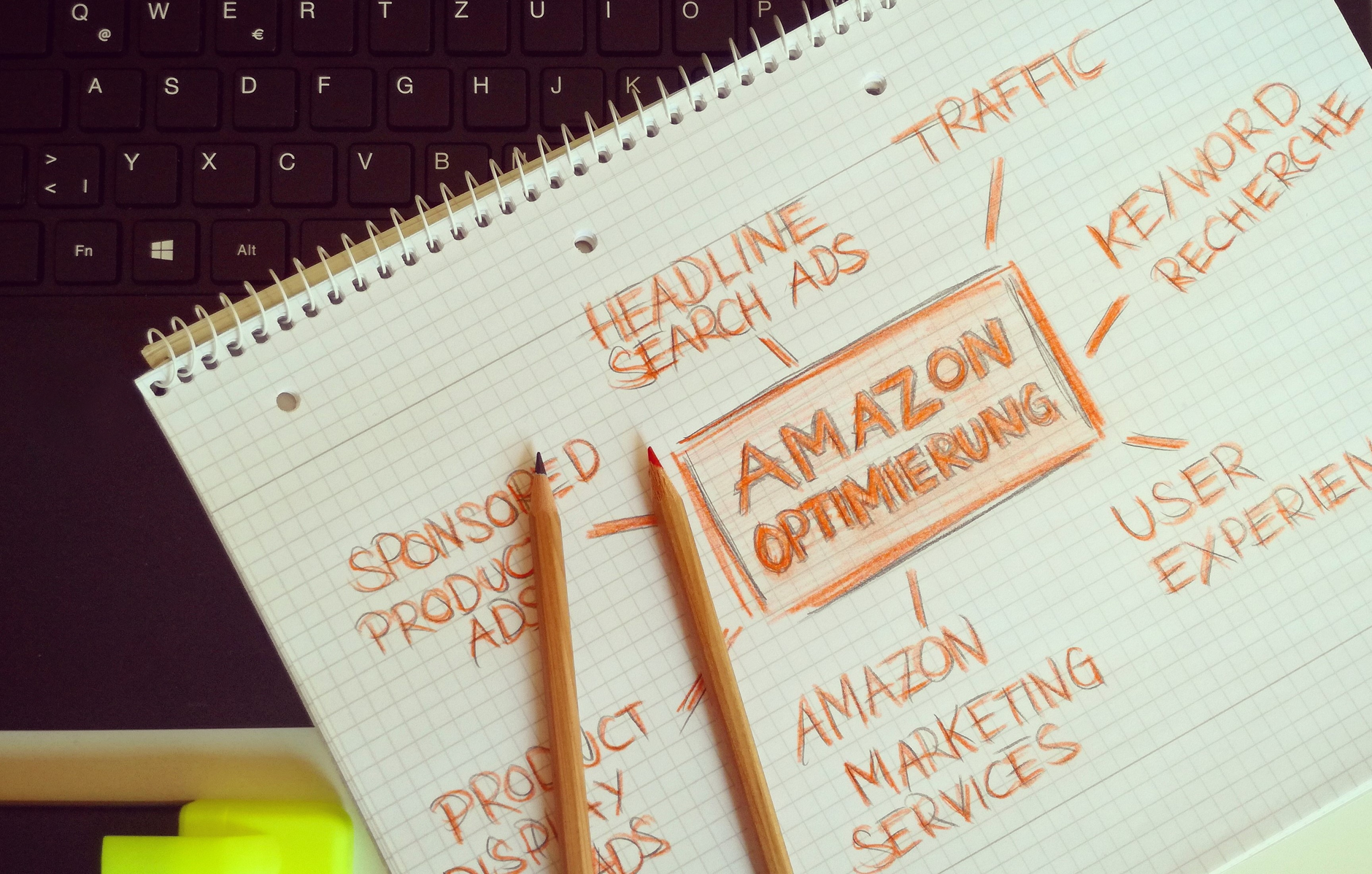
SEO is critical for visibility and driving traffic. Inquire about the agency's approach to SEO from the ground up. This includes keyword research, on-page optimization, and technical SEO like site speed and mobile friendliness. With AI overviews appearing on 30-40% of searches, ensuring your site is optimized for search engines is more important than ever.
What ongoing support and maintenance do you offer?
Websites require regular updates and maintenance to remain effective and secure. Ask about the support services they offer post-launch. This could include content updates, security monitoring, and troubleshooting. Understanding the scope of their ongoing support will help you plan for future needs.
Can you explain your approach to mobile responsiveness?
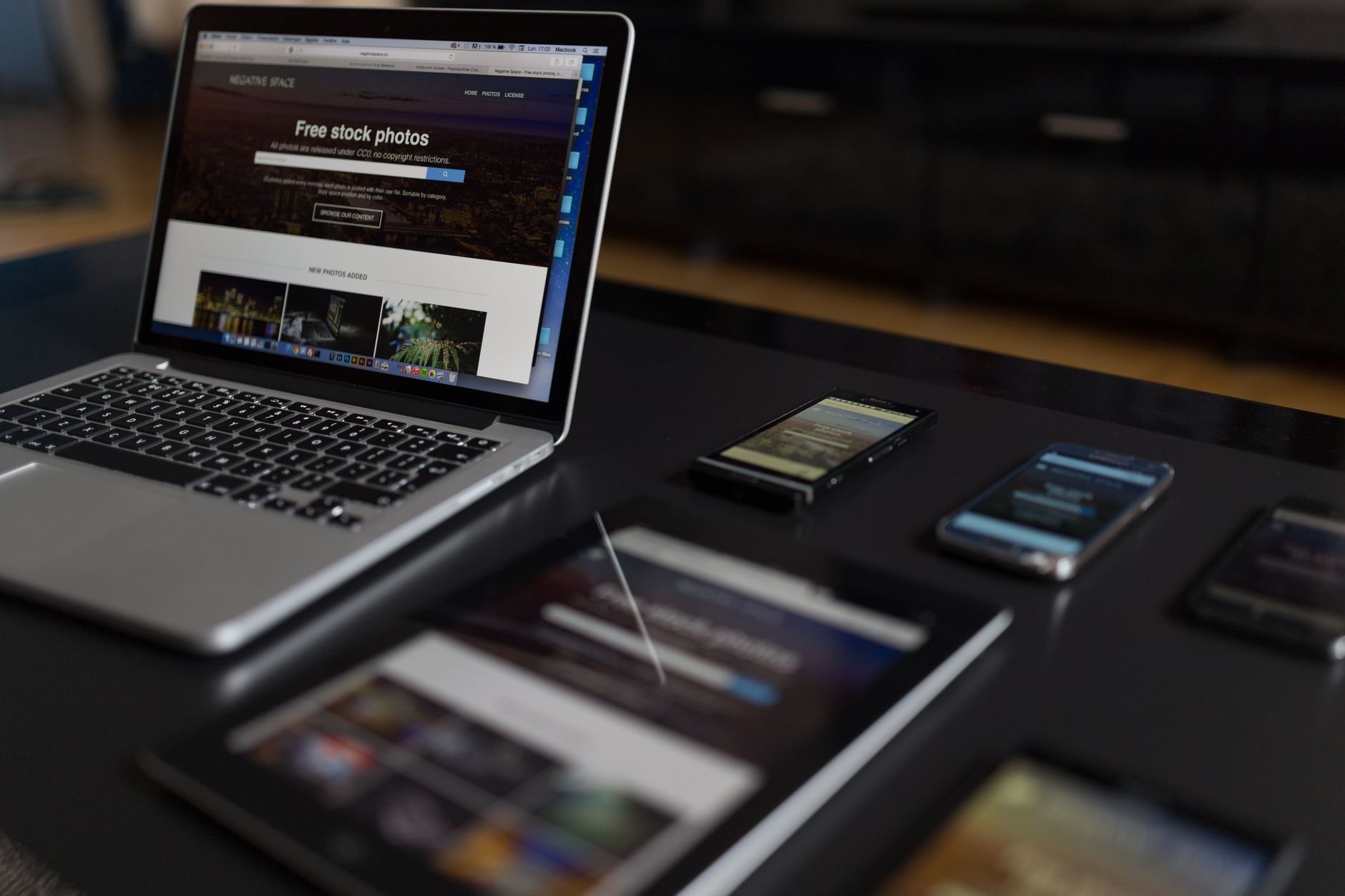
With the majority of users accessing websites via mobile devices, having a mobile-responsive design is non-negotiable. Discuss how the agency ensures that websites are responsive and user-friendly across all devices. This includes testing on various screen sizes and ensuring functionality remains intact.
Next step
Ready to find the right web design agency in Melbourne? Get matched with expert designers for free by visiting our get a quote page.
FAQ
What should I ask a web design agency about their process?
Inquire about their design methodologies, whether they use Agile, Waterfall, or hybrid approaches, and how they incorporate client feedback.
How can I assess a web design agency's previous work?
Review their portfolio, especially work done for Melbourne businesses, and consider contacting past clients for testimonials.
What is important in a web design agency's pricing?
Ensure transparency in what's included in their pricing, such as design revisions, additional features, and ongoing costs.
Why is mobile responsiveness crucial for web design?
With most users accessing websites via mobile, a responsive design ensures functionality and user-friendliness across all devices.